Top 12 Retreading Benefits for Fleet Operators, Cost, Safety, and Sustainability
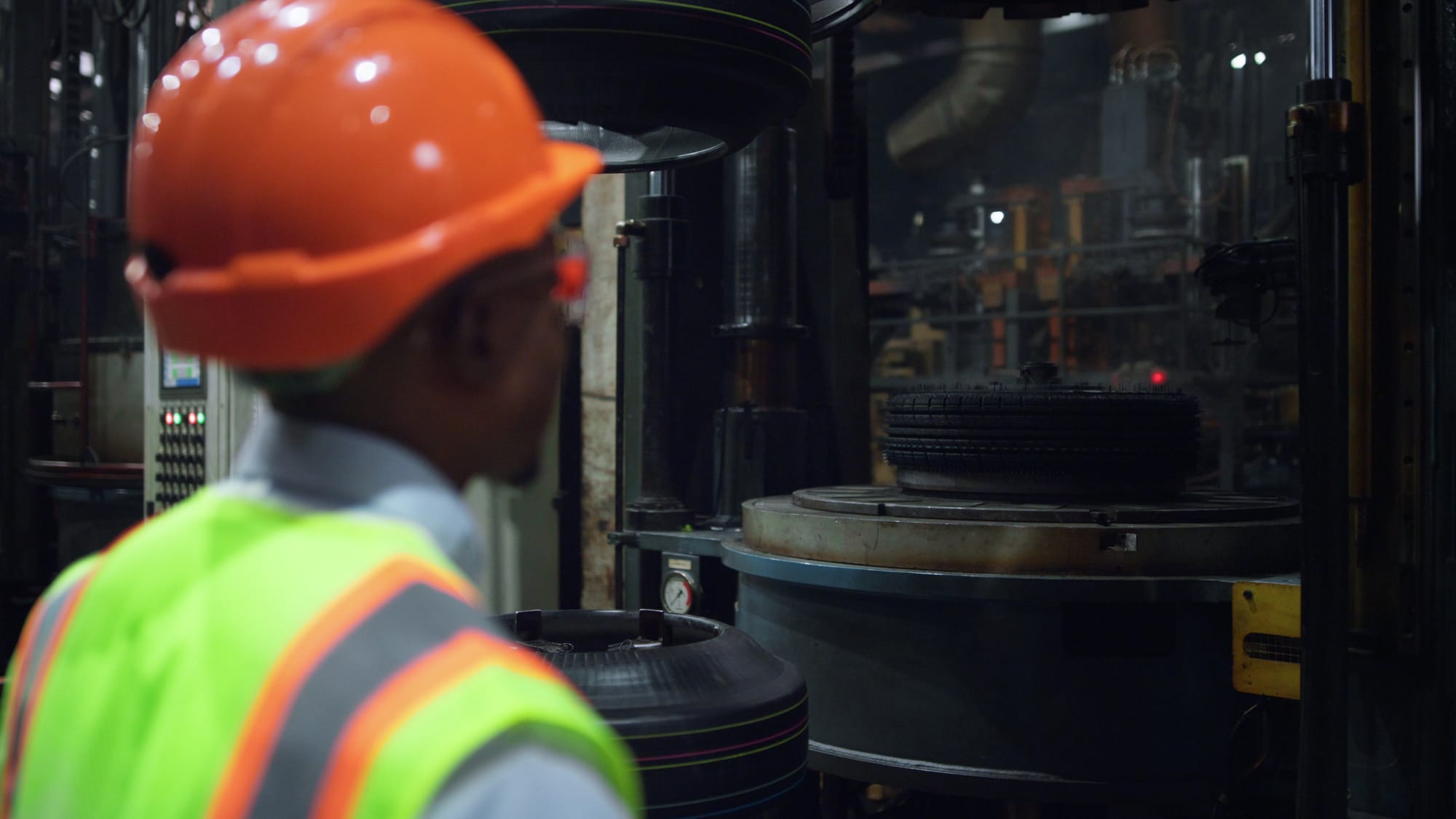
Pro Tread Tyres (Pty) Ltd supports fleet uptime with break down services, onsite tyre fitment, tyre repairs, and retreading done with Leader. For fleet operators, retreading is not a compromise option, it is a strategic tyre management decision that can lower running costs, improve casing utilization, and strengthen sustainability goals without sacrificing safety when done correctly.
This article lists the top 12 retreading benefits for fleet operators, focusing on cost, safety, and sustainability. Each point includes practical guidance on how to capture the benefit in real operations, and what conditions must be in place for retreading to deliver the expected results.
1) Major cost savings per kilometre without reducing service level
For many fleets, the number one reason to retread is straightforward, lower tyre cost per kilometre. A quality retread typically costs significantly less than a comparable new tyre while reusing the casing, which is the most valuable part of the tyre. If the casing is properly maintained and the retread process is controlled, the fleet can achieve comparable mileage to a new tyre in suitable applications, especially on trailer and drive positions.
- Why it matters: Tyres are a top operating expense on commercial vehicles, and small improvements in cost per kilometre multiply across many vehicles and routes.
- How to realize the savings: Track tyre spend and mileage by vehicle, axle position, route, and load. Retread where casings are historically healthy and where road hazards are manageable.
- Operational tip: Build a casing value mindset. The purchase decision is not only about the tread you buy today, it is about the casing you can retread tomorrow.
2) Higher return on investment through casing lifecycle maximization
Retreading turns a tyre casing into a reusable asset rather than a single use consumable. With correct maintenance and inspections, many commercial casings are suitable for more than one retread. This spreads the original casing cost across additional life cycles and improves total ROI.
- Why it matters: When a casing delivers a second or third life, the fleet reduces replacement frequency and gains more value from the original purchase.
- How to realize the benefit: Implement a casing tracking system by serial number, record repairs, and enforce removal thresholds so tyres are taken off before damage becomes non repairable.
- Operational tip: Train drivers and technicians to treat curb strikes, overload events, and under inflation as casing killers. Prevent the event, and you protect future retreadability.
3) Improved budget predictability and steadier cash flow
Retreading can smooth tyre costs, especially for fleets with seasonal peaks, long distance operations, or mixed route duty cycles. Because retreads generally cost less than new tyres, and because casing supply can be planned, retreading helps reduce sudden spikes in procurement spend.
- Why it matters: Predictable operating costs support pricing decisions, contract bids, and financial planning.
- How to realize the benefit: Schedule retread cycles based on tread depth, inspection findings, and planned vehicle downtime. Coordinate with onsite tyre fitment where possible to reduce disruption.
- Operational tip: Hold a small pool of known good casings and retreaded inventory aligned to your top tyre sizes to avoid emergency buying at premium prices.
4) Better uptime through planned tyre management and faster turnaround
Unplanned tyre failures cause downtime, secondary damage, and missed delivery windows. Retreading supports a proactive tyre management approach because it encourages regular inspections and planned removals. When combined with rapid breakdown response and onsite fitment, fleets can reduce out of service time and get vehicles moving sooner.
- Why it matters: Uptime is revenue. Every hour a truck or trailer stands still affects service levels and profitability.
- How to realize the benefit: Adopt inspection intervals, pressure checks, and tread depth monitoring. Remove tyres before they become high risk, and retread casings that meet criteria.
- Operational tip: Use route risk mapping. If certain routes have high debris or pothole exposure, adjust removal limits and casing selection for those lanes.
5) Safety improvements from consistent tread performance and disciplined inspections
A well produced retread on a sound casing can deliver stable traction, braking, and handling in the positions and applications it is designed for. Just as importantly, retreading programs tend to drive disciplined inspection routines because casings must be evaluated, repaired correctly, and tracked. That overall discipline improves safety outcomes at fleet level.
- Why it matters: Tyre related incidents can lead to vehicle damage, cargo loss, liability exposure, and driver injury.
- How to realize the benefit: Standardize inspection criteria, including sidewall condition, bead area, tread wear patterns, and signs of heat damage. Set clear accept and reject rules for casings.
- Operational tip: Investigate irregular wear quickly. It often indicates alignment issues, suspension wear, or chronic pressure problems that increase blowout risk.
6) Stronger casing integrity awareness, fewer catastrophic failures
Retreading programs naturally shift the fleet focus toward casing integrity. That means more frequent checks for cuts, penetrations, separations, and heat indicators. Fleets that build this culture often see fewer catastrophic failures because issues are identified earlier and tyres are removed before they reach critical condition.
- Why it matters: A preventable casing failure can cause collateral damage to mudguards, air lines, wiring, and bodywork, plus roadside recovery costs.
- How to realize the benefit: Integrate casing inspections into every service event, including fuel stops where practical. Ensure repairs are executed to professional standards, not temporary patching.
- Operational tip: Encourage drivers to report vibration, pull, or unusual noise as a trigger for tyre inspection. Small changes can signal internal issues.
7) Lower environmental impact and measurable sustainability wins
Retreading reduces raw material consumption because the casing is reused, and fewer new tyres need to be manufactured and transported. For fleets with ESG targets or customers who require environmental reporting, retreading can provide a measurable reduction in waste and material footprint.
- Why it matters: Sustainability is increasingly linked to contract awards, stakeholder expectations, and long term compliance requirements.
- How to realize the benefit: Track how many tyres are retreaded versus replaced, and estimate waste diverted from disposal. Include this data in sustainability reports and customer submissions.
- Operational tip: Pair retreading with good pressure maintenance. Under inflation increases rolling resistance and fuel consumption, which undermines sustainability gains.
8) Reduced tyre waste and improved end of life management
Even when a tyre casing reaches its final life limit, extending its service through retreading delays disposal and reduces the number of scrap tyres per year. This helps fleets manage storage, transport, and disposal requirements for end of life tyres.
- Why it matters: Scrap tyre handling has costs, space requirements, and regulatory considerations depending on location and disposal partners.
- How to realize the benefit: Maintain casing quality so more casings are eligible for retread. Set clear processes for segregation, inspection, and storage to avoid casing damage while awaiting collection.
- Operational tip: Prevent water ingress during storage. Moisture can damage casings and reduce retread acceptance rates.
9) Fuel efficiency support through correct tread selection and rolling resistance control
Fuel is often the largest cost line for fleets. While tyre choice is only one factor in fuel efficiency, tread pattern selection and rolling resistance matter. Retreading allows fleets to choose tread designs matched to route conditions and axle position. A controlled retread program also encourages correct inflation, alignment, and rotation, which reduces rolling resistance and improves efficiency.
- Why it matters: Small percentage changes in fuel consumption have large annual impacts across a fleet.
- How to realize the benefit: Match tread patterns to conditions. Use highway oriented patterns for long haul, and more aggressive patterns for mixed on and off road work where traction is needed.
- Operational tip: Treat pressure management as a fuel strategy. Use regular pressure checks or TPMS, and correct leaks immediately with proper tyre repairs.
10) Better traction planning and performance consistency across the fleet
Retreading allows fleets to standardize tread types and performance characteristics across vehicles. Instead of buying whatever is available at the time of failure, a fleet can plan retread patterns by axle position and duty cycle, improving consistency in wet grip, traction, and wear.
- Why it matters: Consistency reduces driver complaints, improves handling predictability, and simplifies maintenance planning.
- How to realize the benefit: Define tyre policy by position, for example steer tyres as new only where required, drive tyres as approved retread patterns, trailer tyres as retreads where appropriate, based on your risk profile and regulations.
- Operational tip: Keep matching pairs on the same axle where possible, similar tread depth and pattern helps stability and wear balance.
11) Supply chain resilience, fewer disruptions when new tyre availability changes
New tyre availability and pricing can fluctuate due to shipping delays, import constraints, currency movement, and demand spikes. A retread program builds resilience because casings are sourced from your own fleet, and retreading capacity can provide an alternative supply stream when new tyres are scarce or expensive.
- Why it matters: Tyre shortages can force fleets into sub optimal purchases, mixed brands, or downtime.
- How to realize the benefit: Protect your casing pool. Avoid scrapping casings prematurely, and prioritize repairs that preserve retreadability.
- Operational tip: Maintain a balanced casing bank. If you only retread after failures, you will always be reacting. Collect and grade casings continuously.
12) Stronger compliance, auditing, and accountability through data driven tyre programs
Retreading works best when it is managed like a program, not a one off purchase. That leads to better documentation, stronger vendor accountability, and clearer internal controls. Fleets that track casing history, repairs, retread dates, tread depths, and removal reasons often achieve better outcomes on safety, cost, and sustainability at the same time.
- Why it matters: Documentation supports internal audits, customer audits, and incident investigations. It also helps identify the root causes of tyre losses.
- How to realize the benefit: Tag tyres and casings, record inspection results, and analyze loss reasons such as impact, puncture, chronic under inflation, alignment, or overload. Use the insights to reduce repeat failures.
- Operational tip: Create simple KPIs, cost per kilometre, removal mileage, casing acceptance rate for retread, roadside callouts per 100,000 kilometres, and scrap rate.
Practical notes to protect safety and get the full value from retreading
Retreading delivers its best results when the fleet treats tyres as a managed system. The benefits above depend on consistent processes and quality control from casing collection to fitment. Use these practical principles to keep performance high.
- Start with casing care: Keep inflation correct, avoid overload, and address small penetrations early. A good casing is the foundation of every successful retread.
- Use position based policy: Apply retreads where they are best suited for your operation, such as many trailer and drive applications, while following your internal standards and any legal requirements.
- Inspect on schedule: Regular inspections reduce blowout risk and increase retread acceptance rates. Make inspections routine, not exceptional.
- Fix the causes of irregular wear: Alignment, balancing, suspension wear, and brake drag can destroy tyres quickly, new or retreaded.
- Choose tread patterns for your routes: Highway, regional, mixed service, or on site work each require different tread priorities, rolling resistance, traction, cut resistance, and heat management.
- Work with a reliable service partner: Fast breakdown response, onsite tyre fitment, quality tyre repairs, and consistent retreading standards improve uptime and protect casings.
How fleet operators can estimate retreading cost benefit quickly
To decide where retreading will have the biggest impact, compare cost per kilometre between new and retread in a specific position and route, not across the entire fleet at once. A simple approach is to use these inputs: purchase price, average kilometres achieved, and removal rate due to non wear issues.
- Step 1: Determine the average kilometres you achieve on a new tyre for a given position and route.
- Step 2: Determine the average kilometres you achieve on a retread in the same position and route.
- Step 3: Divide tyre cost by kilometres to get cost per kilometre, then adjust for additional costs such as roadside callouts if failure rates differ.
- Step 4: Add casing value logic. If buying a premium new tyre increases the odds of a second life retread, include that future value in your purchasing rule.
Common misconceptions that prevent fleets from benefiting fully
Some fleets miss out on retreading benefits because of outdated assumptions or because early programs were not supported by strong casing care. Addressing these misconceptions helps unlock the cost, safety, and sustainability gains.
- Misconception: Retreads are automatically unsafe. Reality: When casings are sound and the retreading process is controlled, retreads are widely used in commercial fleets.
- Misconception: Retreading is only for trailers. Reality: Many fleets successfully use retreads on drive positions where appropriate, depending on conditions and policy.
- Misconception: Any casing can be retreaded. Reality: Casing condition determines retreadability. Under inflation, impact damage, and heat can make a casing unsuitable.
- Misconception: Tyre costs are unavoidable. Reality: Tyre management changes outcomes. Pressure, alignment, rotation, and fast repairs can materially reduce cost per kilometre.
Where Pro Tread Tyres (Pty) Ltd fits into a fleet retreading strategy
Fleet operators get the most from retreading when service, inspection, and response time are handled consistently. Pro Tread Tyres (Pty) Ltd supports this with onsite tyre fitment, breakdown services to reduce downtime, supply of new, used, and recap tyres, supply of new and used truck rims, professional tyre repairs, and retreading done with Leader. Combining these services into one tyre plan helps fleets reduce emergency spend, preserve casings, and keep vehicles moving.
Summary checklist for capturing all 12 benefits
- Measure cost per kilometre by position and route, not only tyre purchase price.
- Protect casings with correct inflation, load control, and early repairs.
- Standardize inspections, removal limits, and casing grading.
- Match retread patterns to duty cycle and traction needs.
- Build a casing bank to reduce supply chain risk and emergency purchases.
- Track KPIs, casing acceptance rate, roadside callouts, scrap rate, and mileage to removal.
- Use a dependable tyre service partner for breakdown response, onsite fitment, and consistent repair standards.
When executed with discipline, retreading is a practical tool for fleet operators to lower operating cost, support safety through better maintenance control, and reduce environmental impact through smarter casing reuse. The result is a tyre program that performs economically and operationally across the full fleet lifecycle.