Top 10 Benefits of Tyre Retreading for Fleet and Commercial Vehicles
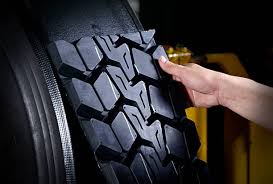
Pro Tread Tyres (Pty) Ltd supports fleets with breakdown services, onsite tyre fitment, tyre repairs, and retreading done with Leader. For many fleet and commercial operators, tyres are one of the highest controllable operating costs, and they also directly affect safety, uptime, driver confidence, and fuel use. Tyre retreading is often misunderstood as a compromise, but modern retreading is a regulated, process driven remanufacturing method that can deliver strong performance when the casing is suitable and the work is done to a high standard.
This article explains the top 10 benefits of tyre retreading for fleet and commercial vehicles in a practical, operations focused way. Each point includes what the benefit means, where it shows up on your cost and performance metrics, and how to capture the value consistently across your fleet.
Before the list, a quick reminder of what retreading is. Retreading reuses the tyre casing and applies a new tread rubber package after inspection, preparation, and curing. In many fleet applications, the casing is the most valuable part of the tyre. When you manage casing life and retread eligibility properly, you create a lifecycle strategy instead of a simple purchase and discard cycle.
- Top 10 Benefits of Tyre Retreading for Fleet and Commercial Vehicles
1) Lower cost per kilometre without sacrificing fleet readiness
The most immediate and measurable benefit of retreading is a reduction in tyre expenditure per kilometre. New tyres include the full cost of casing, sidewalls, bead, and tread. Retreading primarily replaces the tread portion and the labour, while keeping the casing that you already paid for. For fleets that run predictable routes and have disciplined maintenance, the cost difference can be significant over a full year.
For commercial vehicles, the total tyre budget is not only the purchase price. It also includes emergency callouts, downtime, fitment logistics, and the knock on effects of running mismatched tread depths or mixing patterns. By integrating retreads into planned replacement cycles, you reduce unplanned spend and keep tyres in service in a more predictable way.
To capture this benefit, you need a simple approach: track tyre cost per kilometre by vehicle class, position, and route type. When you retread, record casing ID and kilometres to removal. Over time, you will see whether specific casing brands, patterns, and operating conditions deliver better return. This turns retreading from a single decision into a repeatable financial advantage.
2) Better use of your casing assets, turning tyres into lifecycle products
Fleet tyres are not single use items when managed properly. The casing is the core asset, and the tread is a replaceable wear surface. Retreading allows you to treat tyres as lifecycle products, with multiple lives depending on application, casing quality, and maintenance.
Many fleets buy new tyres but do not actively manage casing recovery. Casings get scrapped due to avoidable damage like underinflation, heat build up, kerb impacts, or running too long until cord exposure. A casing management mindset changes this. Instead of asking, “What is the cheapest tyre today,” you ask, “What is the lowest cost per kilometre across new plus retread lives.”
Practically, this means implementing casing control processes such as:
- Assigning unique ID or serial tracking per tyre position.
- Specifying minimum acceptable removal tread depth to protect the casing.
- Training drivers and technicians to report impacts, rapid pressure loss, and abnormal wear early.
- Separating casings intended for retread from scrap to prevent handling damage.
When casings are treated as assets, retreading is not a one off savings measure. It becomes part of a structured tyre policy that improves budgeting accuracy and reduces waste.
3) Reduced downtime through planned changeouts and easier availability
Downtime is often more expensive than the tyre itself. A truck that is parked due to tyre issues can disrupt delivery schedules, create missed slots, and add overtime to recover the route. Retreading supports uptime in two ways: it enables planned replacement cycles, and it can improve availability in markets where certain new tyre sizes or patterns are constrained.
Because retreads can be scheduled around casing inspection and production time, they encourage maintenance planning. When you plan, you can coordinate tyre changes with routine services, align rotations with expected wear, and reduce the frequency of urgent roadside events.
Availability also matters. New tyre supply can be affected by imports, manufacturing lead times, and sudden spikes in demand. Having a retread program based on your own casings reduces exposure to supply disruption. You are not entirely dependent on finding the exact new tyre you need at the exact time you need it.
For maximum uptime benefit, pair retreading with:
- Regular inspection intervals, including tread and sidewall checks.
- Pressure management, ideally with calibrated gauges and documented readings.
- Clear rules for matching pairs on steer, drive, and trailer positions.
- Onsite tyre fitment for faster return to service when appropriate.
4) Strong safety performance when inspection and process quality are non negotiable
Safety is the first question many operators ask about retreads. The key point is that safe performance depends on casing condition and process control. Modern retreading includes multiple inspection stages, including non destructive testing, and rejects casings that do not qualify. When done correctly, retreading can be a reliable option for many commercial applications, especially on drive and trailer positions where appropriate.
Safety benefits show up as fewer tyre related incidents, fewer rapid air losses, and more consistent traction when tread selection matches the duty cycle. A high quality retread with the right tread design can deliver stable handling characteristics, predictable braking behaviour, and strong wet grip relative to the matched category.
To maintain safety outcomes:
- Use retreading partners with strict casing acceptance standards.
- Do not push tyres beyond safe removal points, because exposed cords and heat damage can compromise the casing.
- Maintain correct inflation pressure, as underinflation is one of the biggest causes of casing fatigue and eventual failure.
- Choose tread patterns that suit regional roads, load type, and weather conditions.
Retreading is not a shortcut. It is a manufacturing process that relies on good inputs and quality control. When those standards are enforced, retreading supports safety objectives while reducing total cost.
5) Lower environmental impact, reduced waste, and better sustainability reporting
Fleet sustainability is increasingly important for tenders, customer audits, and internal corporate targets. Tyre retreading is a practical sustainability action because it extends the life of a product that would otherwise be discarded earlier. By reusing the casing, you reduce the number of tyres that enter the waste stream and reduce the demand for raw materials required to manufacture new casings.
Environmental benefits can include reduced landfill pressure and lower resource consumption. Even without complex calculations, fleets can report straightforward metrics such as the number of casings retreaded, estimated kilograms of material diverted, and the percentage of tyre consumption that comes from extended life management.
Retreading also encourages better tyre maintenance culture, because the value of the casing becomes visible. That maintenance culture can lead to additional waste reductions such as fewer scrapped tyres due to irregular wear and fewer roadside failures that destroy casings.
Useful sustainability practices tied to retreading include:
- Recording casing outcomes, retreaded, repaired, or scrapped, with reasons.
- Setting targets for retread rate by fleet segment.
- Training on inflation and alignment as part of waste reduction initiatives.
- Working with suppliers who can document processes and quality checks, which helps in audits and ESG reporting.
6) Improved budget predictability and stronger procurement leverage
Fleet budgeting is easier when large spend categories are predictable. New tyre purchasing can swing due to exchange rates, import constraints, and seasonal demand. Retreading helps smooth that volatility. Because retread pricing is often more stable than new tyre pricing, and because you control the input casings, your budget becomes less exposed to external shocks.
Retreading also improves procurement leverage. When you operate a lifecycle program, you are not only buying new tyres, you are buying performance across multiple lives. That shifts the conversation with suppliers toward casing durability, retreadability, and support services like inspections and breakdown response, instead of only unit price.
With a structured program you can:
- Forecast the number of retreads per month based on mileage and removal tread depth rules.
- Reduce the frequency of emergency purchases at premium prices.
- Standardise sizes and patterns to increase volume leverage.
- Negotiate service level commitments, including turnaround time for retreading and onsite fitment scheduling.
Budget predictability is not glamorous, but it is critical. It reduces operational stress and supports better pricing decisions for your own customers, because your cost base is more stable.
7) Performance flexibility through tread pattern selection for specific routes
One overlooked advantage of retreading is flexibility in matching tread patterns to real world operating conditions. New tyres often come with limited pattern options at the precise time you need a replacement. Retreading can allow fleets to select tread designs that suit particular routes, axle positions, and weather conditions, while still using the same casing platform.
For example, a fleet might prefer one tread style for long haul highway work where low rolling resistance and even wear are priorities, and a different tread style for mixed service where traction, stone ejection, and resistance to tearing matter more. Retreading can support that kind of strategy with less inventory of full new tyres, because the casing base remains constant.
Operationally, that flexibility can lead to:
- Better traction in wet or loose surface conditions when the correct pattern is used.
- More even wear on specific routes, reducing irregular wear related removals.
- Improved driver confidence, which supports safer handling and smoother driving inputs.
- Better overall cost per kilometre, because you are matching the tyre to the job, not forcing one pattern to do everything.
The key is to make tread selection a policy decision. Document which patterns are approved for steer, drive, and trailer, and align that with your maintenance and rotation plan.
8) Support for rapid response operations, breakdown services, and onsite fitment
Commercial fleets run on schedules, and tyre events do not respect schedules. When you pair a retread program with strong field support such as breakdown services and onsite tyre fitment, you improve resilience. Retreading reduces overall cost, while responsive service reduces the hidden cost of incidents.
Retread programs can be designed to include a buffer stock of ready to fit tyres for common sizes. When a vehicle suffers damage, you can replace quickly with a known tread type and known condition, without forcing a last minute purchase choice that creates mismatched patterns or uneven tread depths across an axle.
The benefit here is operational continuity:
- Faster return to service after punctures or sidewall damage events.
- Reduced risk of running mismatched tyres due to availability pressure.
- More consistent compliance, because replacements follow the same policy even under stress.
- Less administrative disruption, since the process is predetermined and documented.
For many fleets, the combination is what matters. Retreading controls the planned cost, and breakdown support controls the unplanned cost. Together they protect uptime.
9) Better tyre maintenance discipline, because the casing becomes valuable
Retreading rewards maintenance discipline. When the fleet recognises that a casing may deliver multiple lives, daily and weekly maintenance actions feel less like chores and more like asset protection. This cultural shift can be one of the biggest long term benefits.
Maintenance discipline includes inflation management, wheel alignment, balancing, correct torque procedures, timely rotation, and avoiding overload. Retread eligibility depends heavily on how the tyre is treated in its first life. Underinflation and heat are especially damaging, because they weaken the casing structure. Overloading and high speed operation with low pressure can accelerate fatigue and create internal damage that may not be visible until inspection.
As maintenance improves, you often see secondary benefits that go beyond retreading:
- Reduced fuel waste due to consistently correct inflation.
- Fewer uneven wear issues, such as cupping, feathering, or rapid shoulder wear.
- Lower repair costs, because tread punctures are detected earlier and are more repairable.
- Improved driver walkaround compliance, because drivers understand the impact of early reporting.
For fleet managers, the takeaway is clear. A retread program is also a maintenance program. The tyre workshop and the operations team must work together, including driver training and route planning, to protect casings and keep costs down.
10) Competitive advantage, better tender positioning, and stronger customer confidence
Many commercial contracts now evaluate suppliers not only on price and service delivery, but also on sustainability, risk management, and operational maturity. A well run tyre retreading program signals that your fleet is managed professionally. It shows you control costs, you plan maintenance, and you reduce environmental impact through practical actions.
This can translate into competitive advantage in several ways:
- Tender differentiation, you can describe a documented tyre lifecycle policy and sustainability actions.
- Improved service reliability, fewer delays caused by tyre related downtime improves customer trust.
- Cost stability, predictable tyre spend reduces pressure to pass sudden cost increases onto customers.
- Audit readiness, documented inspection and replacement processes support compliance and safety reviews.
Customer confidence is built on consistent delivery. Tyres are not a visible part of the service you provide until something goes wrong. Retreading, combined with disciplined inspection and responsive support, reduces the chances of that disruption. When you can demonstrate that tyres are managed as a lifecycle system, you present your fleet as dependable.
Practical tips to get the most from tyre retreading
The benefits above are real, but they are not automatic. They come from managing the casing, applying quality standards, and aligning retread usage with the right positions and duty cycles. The following tips help fleets maximise value:
- Start with a casing inspection baseline. Audit your current scrap rate and identify the top causes of casing rejection. Often the fixes are operational, such as inflation checks and alignment intervals.
- Define where retreads will be used. Many fleets prefer new tyres on steer positions and retreads on drive and trailer positions. Your policy should reflect your risk tolerance, local regulations, and operating conditions.
- Standardise sizes and patterns where practical. Excessive variety increases inventory requirements and increases mismatching risk during breakdown events.
- Set clear removal rules. Removing tyres at an appropriate tread depth protects the casing and reduces the chance of running to failure.
- Use proper repair standards. Fast, low quality repairs can destroy casing value. Proper repairs maintain air retention and prevent secondary damage.
- Track everything that matters. Cost per kilometre, kilometres to removal, casing rejection reasons, repair counts, and downtime events. Simple tracking beats no tracking.
- Train drivers. Drivers affect tyre life daily through speed, cornering, braking, kerb contact, and pre trip checks.
- Align retreading with retreading partners you trust. Quality processes, documented inspections, and consistent workmanship are essential.
Common misconceptions about retreading, clarified
Even in well managed fleets, a few misconceptions can block adoption. Clearing them up helps stakeholders make better decisions.
- Misconception: Retreads are always lower quality. Reality: Quality depends on casing condition and process control. With strict inspection and correct cure, retreads can perform reliably in appropriate applications.
- Misconception: Retreading is only for low budget operations. Reality: Many cost focused, safety focused fleets use retreading as part of a lifecycle strategy, not as a last resort.
- Misconception: Retreads cause more downtime. Reality: Emergency tyre events cause downtime. Planned retread cycles and good field service reduce unplanned stops.
- Misconception: All casings are retreadable. Reality: Not every casing qualifies. The benefit comes from maintaining casings so that more of them qualify.
How Pro Tread Tyres (Pty) Ltd can support a retread focused fleet
For fleets trying to capture the benefits above, support services matter. Reliable breakdown response, onsite tyre fitment, supply of new, used, and recap tyres, truck rims, and professional tyre repairs all contribute to an effective tyre management system. Retreading done with Leader provides a structured route for extending casing life, while maintaining a focus on safety and uptime.
For best results, align your fleet policy with your service partner. That includes establishing which sizes and tread types to keep available, setting inspection intervals, agreeing on acceptable casing standards, and creating a communication loop so repeated failure patterns are addressed quickly.
Conclusion
Tyre retreading offers commercial fleets a strong mix of financial, operational, and sustainability benefits. When casings are treated as assets, and when inspection and workmanship standards are enforced, retreading can lower cost per kilometre, reduce downtime, and improve predictability without compromising fleet readiness.
The ten benefits can be summarised as: lower total cost, better casing asset utilisation, reduced downtime through planning and availability, safety through process discipline, improved sustainability outcomes, more predictable budgets, flexible tread selection, stronger incident resilience with onsite support, improved maintenance culture, and a competitive edge in tenders and customer retention.
If your fleet is not currently retreading, the best starting point is a small pilot on a controlled segment, paired with tracking. Measure cost per kilometre and casing outcomes, then scale based on results. Over time, an organised retread program becomes a core part of professional fleet tyre management.