Top 10 Things to Check Before Choosing a Truck Tyre and Rim Supplier
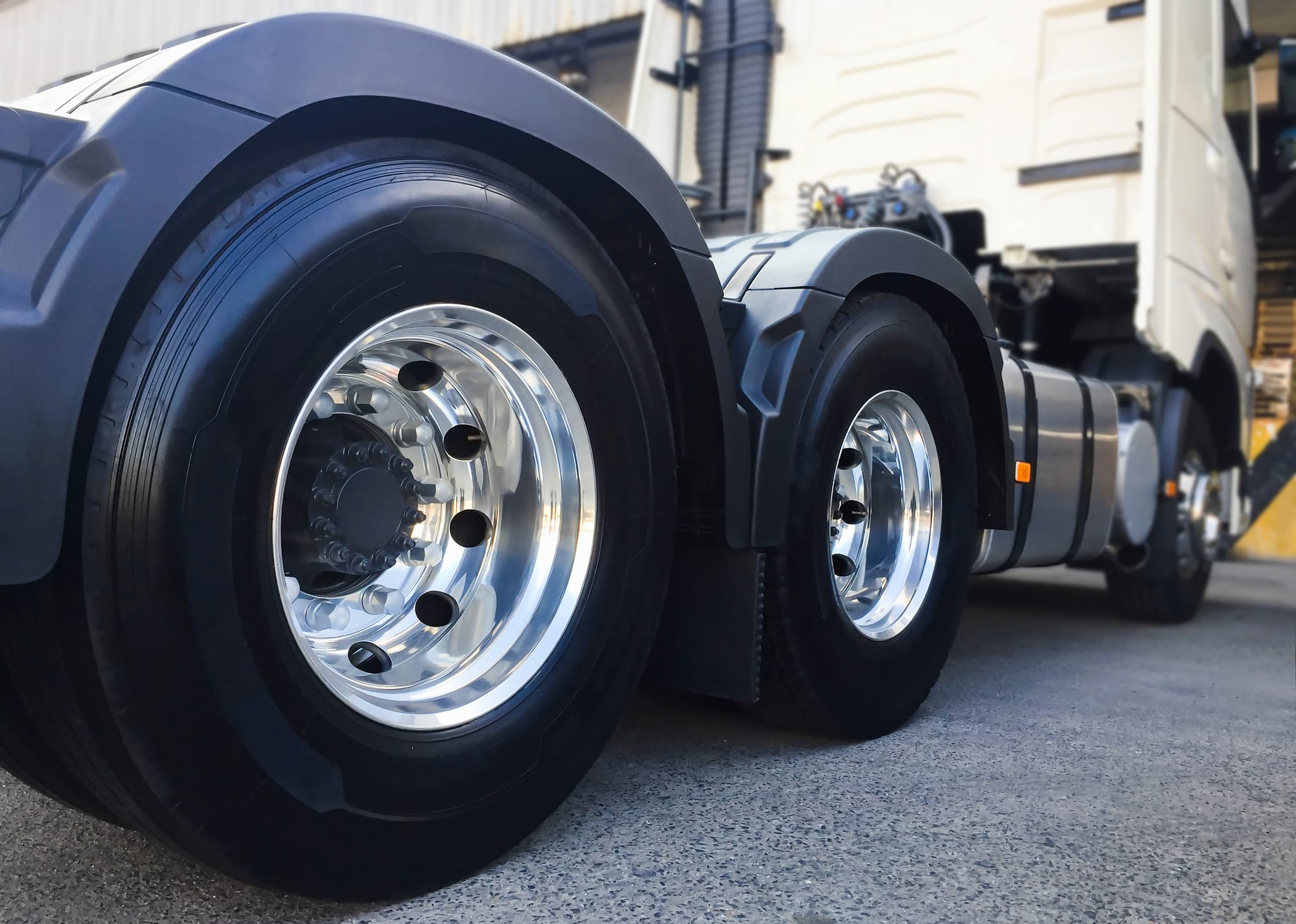
Choosing the right truck tyre and rim supplier is a fleet decision, not a once off purchase. Tyres and rims influence fuel spend, uptime, driver safety, roadworthiness, and the total cost per kilometre. A supplier is also a service partner. When vehicles operate across long routes, heavy loads, harsh site conditions, and tight delivery windows, the best supplier is the one that consistently keeps your trucks moving with correct products, correct fitment, and fast support when something goes wrong.
Pro Tread Tyres (Pty) Ltd operates in the real world of trucking, where breakdown services, onsite tyre fitment, tyre repairs, retreading, and supplying new, used, and recap tyres all connect to one outcome, reduced downtime and predictable running costs. The checklist below is written to help you compare suppliers with a practical, fleet focused lens.
Use these Top 10 checks before selecting a truck tyre and rim supplier. Each point includes questions to ask and what to look for, so you can make a confident, defensible decision.
1) Product range and availability for your fleet and routes
A supplier that cannot consistently supply the sizes, load ratings, compounds, and rim types you actually use will create downtime, mixed fitments, or emergency purchases at unplanned prices. Range and availability are more important than a glossy catalogue. You need a supplier that can match your application, then keep supplying it week after week.
- Tyre categories: Ask whether they supply steer, drive, and trailer specific tyres, and whether they offer on road, mixed service, and off road patterns.
- Sizes and load indices: Confirm common sizes for your fleet and local market availability, not only special order options. Ask what they stock vs what must be ordered.
- Rim types and fitment hardware: Verify access to the right truck rims, correct offsets, and any required nuts, studs, valves, and sealing components.
- New, used, recap options: If your cost model uses a mix, confirm the supplier can support it without forcing compromises on casing quality or safety.
- Consistency between depots: If you operate multiple sites, ask if the same products are available across regions or only at one location.
What to ask: What are your top stocked truck tyre sizes, how many units do you hold, and what is the typical lead time if stock is depleted? Can you supply matching sets for an axle on short notice?
What to look for: Clear answers, realistic lead times, and proof of steady supply. A strong supplier will propose standardisation, for example a preferred steer tyre and a preferred drive tyre for a specific route profile, to simplify procurement and reduce mismatched wear.
2) Technical expertise and application matching
Truck tyres and rims are engineered components. Incorrect selection leads to irregular wear, heat failures, blowouts, rim damage, and handling issues. A dependable supplier has staff who can interpret your operating conditions and recommend the right tyre pattern, compound, ply rating, and pressure strategy. They should understand axle loads, speed, road surface, and duty cycle. They should also know when a more expensive tyre is actually cheaper over its life.
- Application assessment: Can they evaluate your routes, loads, and common failure modes, for example shoulder wear, heel and toe wear, river wear, or impact breaks?
- Inflation and load management: Do they help you calculate correct pressures for actual axle weights and typical speeds?
- Fitment guidance: Do they know when to use specific tread patterns on drive vs trailer positions, and can they explain why?
- Rim compatibility knowledge: Can they confirm rim width suitability for the tyre size, and advise on rim inspection limits?
- Operational training: Do they offer guidance for drivers and workshop teams on daily checks, kerb impact avoidance, and early defect reporting?
What to ask: If my steer tyres are wearing on the shoulders, what diagnostics will you run first, and what changes would you recommend? How do you confirm rim and tyre compatibility before fitment?
What to look for: A supplier who asks questions before quoting, requests axle weights, and is comfortable discussing casing care, alignment, suspension, and rotation practices. They should not only sell tyres, they should help you prevent repeat failures.
3) Quality standards for new, used, and recap tyres
Quality is not only about brand names. It is also about storage, handling, inspection, and traceability. This becomes even more critical when you purchase used tyres or run recap tyres as part of your cost strategy. A good supplier has strict acceptance criteria for casings and clear rules that protect safety and reliability.
- New tyre authenticity and warranty: Confirm that tyres are sourced through proper channels and that warranties are honoured with documentation.
- Used tyre grading: Ask how used tyres are inspected, graded, and priced. A reputable supplier will be transparent about tread depth, repairs, and intended use.
- Recap tyre process: If recap tyres are offered, ask which retreading partner they use and what process controls exist. If retreading is done with Leader, ask for the retread specification and casing acceptance criteria.
- Repair standards: Ask what repair methods are used, for example patch plug combinations, and how they decide when a tyre is repairable vs scrap.
- Age and storage: Tyres degrade in poor conditions. Ask how tyres are stored, and whether they monitor tyre age and rotation of inventory.
What to ask: How do you decide a casing is suitable for retreading, and what defects automatically disqualify it? How do you label and track recaps by casing history?
What to look for: Formal inspection routines, clear documentation, and no pressure to use a tyre outside its safe application. You want a supplier that refuses risky fitments, even if it means losing a sale.
4) Rim supply reliability, specifications, and inspection support
A tyre supplier who is weak on rims can cause serious operational and safety issues. Rim cracks, distortion, corrosion, incorrect offset, and wrong fastening components can lead to air loss, vibration, wheel separation, and accelerated tyre wear. Truck rims are not interchangeable without careful checking. You need a supplier who takes rims as seriously as tyres.
- Correct rim specification: Confirm rim width, diameter, load rating, and offset for your specific truck models and axle configurations.
- New and used rim standards: If used rims are supplied, ask how they are inspected for cracks, runout, corrosion, bead seat damage, and stud hole wear.
- Coatings and corrosion protection: For harsh environments, rims need appropriate finishes and ongoing maintenance guidance.
- Valve and sealing quality: Many pressure loss issues come from valves and seals. Ask what valve hardware is used and whether it is replaced during tyre changes.
- Balancing and runout handling: Ask if they check wheel assemblies for balance and rim runout, and how they address vibration complaints.
What to ask: What checks do you perform on a used truck rim before you sell it? Do you measure runout, and do you have rejection limits for bead seat damage?
What to look for: A supplier that can show you their inspection checklist and is willing to document rim condition. If a supplier treats rims like simple steel circles, move on.
5) Breakdown response, onsite tyre fitment, and operating hours
Even with perfect maintenance, breakdowns happen. Nails, sidewall impacts, potholes, and overheating can disable a vehicle fast. In trucking, response time is money. A supplier that offers breakdown services and onsite tyre fitment can save hours, reduce recovery costs, and keep drivers safer by reducing time stranded.
- Coverage area: Confirm where they can respond, including industrial zones, highways, and remote routes that your fleet uses.
- Response time expectations: Ask for realistic response times by region and by time of day.
- 24 hour or after hours support: If your trucks run nights or weekends, ensure the supplier can support your schedule.
- Mobile equipment: A capable mobile unit should handle heavy truck fitment, safe jacking procedures, torque control, and correct inflation practices.
- Safety procedures: Ask about roadside safety protocols, including reflective zones, hazard signage, and driver interaction procedures.
What to ask: If I have a drive tyre failure at night on a route outside town, what is your call out process, and what information do you need to dispatch the right tyre and rim?
What to look for: A structured dispatch process, clear communication, and strong emphasis on safety. The best suppliers also help you reduce future breakdowns by feeding back data on failure causes and fitment conditions.
6) Tyre repair capability and repair decision discipline
Repairs are a key part of tyre cost control, but only when done correctly and only when the tyre is genuinely repairable. Poor repairs can fail suddenly, destroy casings that could have been retreaded, or create repeated slow leaks that waste maintenance time. You want a supplier with disciplined repair standards and the ability to repair quickly without cutting corners.
- Repair assessment: Do they inspect internally and externally before deciding on a repair? A proper inspection often finds secondary damage that a quick visual check misses.
- Repair methods and materials: Ask what repair types they use and whether they follow recognised procedures for truck tyre repairs.
- Turnaround time: How fast can a repair be completed, and can they support urgent repairs to reduce downtime?
- Leak diagnosis quality: Persistent pressure loss can come from valve issues, bead leaks, rim corrosion, or punctures. Ask how they diagnose and prevent repeat leaks.
- Repair documentation: Can they record repairs per tyre, so you can track recurring issues and casing history?
What to ask: When you repair a puncture, do you remove the tyre for internal inspection, and do you replace the valve during refitment? How do you decide a tyre must be scrapped?
What to look for: A supplier that would rather scrap an unsafe casing than risk your driver and vehicle. Also look for consistent repair outcomes, meaning fewer comebacks for the same leak.
7) Retreading and casing management programme
Retreading can be one of the biggest leverage points in truck tyre economics, especially for drive and trailer positions. However, retreading only works when casings are managed like assets. That involves correct maintenance, proper repairs, careful removal, controlled storage, and a trusted retreading process. If retreading is done with Leader, clarify the product range, the process, and the warranty terms. A good supplier will treat retreading as a system, not a discount product.
- Casing eligibility rules: Ask what casing brands and conditions are accepted for retread, and how they reject unsafe casings.
- Collection and tracking: Do they collect casings, label them, and track them through retreading and return?
- Retread design selection: Can they recommend tread patterns that match your drive and trailer applications?
- Warranty and performance expectations: Ask what failures are covered and what maintenance requirements must be met.
- Life cycle reporting: The best programmes report kilometres, wear rates, and reasons for removal to improve future performance.
What to ask: How many lives do your customers typically achieve from a casing when maintenance is followed? What are the most common reasons casings are rejected, and how can we prevent them?
What to look for: Evidence of a repeatable process: casing inspections, clear labelling, and a standard lead time. Also look for guidance on protecting casings from kerb damage, under inflation, and overload, which are the main reasons retread value is lost.
8) Pricing transparency and total cost of ownership focus
Price per tyre is easy to compare, but it often hides the real cost drivers. A cheaper tyre that wears faster, increases fuel consumption, or fails early is not cheaper in the fleet ledger. You want a supplier that can discuss total cost of ownership, including expected kilometres, retread potential, repair rates, and downtime risk. Transparent pricing also reduces procurement friction and prevents surprise charges.
- Clear quotations: Ensure quotes include tyre price, fitment, valves, balancing if applicable, call out fees, delivery, and any environmental or disposal charges.
- Value comparison: Ask for expected cost per kilometre comparisons between options, even if they are estimates based on similar fleets.
- Budgeting support: A strong supplier can help you forecast tyre spend based on replacement cycles and planned retreads.
- Used and recap pricing logic: Confirm how used tyres are priced and what the risk tradeoffs are. The cheapest used tyre is often the most expensive after downtime.
- Payment terms and account management: For fleets, terms, invoicing accuracy, and statement clarity matter as much as unit price.
What to ask: Can you separate tyre cost, rim cost, fitment cost, and call out cost on the invoice? Can you help us compare two tyre options using expected kilometres and retread value?
What to look for: A supplier who welcomes cost per kilometre discussions and does not hide fees. If you feel confused by the quote, your finance team will feel worse later.
9) Service processes, documentation, and compliance support
Fleet tyre management becomes easier when the supplier has strong processes. That includes recording fitments, tracking tyre positions, noting pressures, documenting rim issues, and providing reports. Documentation supports internal controls, warranty claims, and roadworthiness checks. It also helps you identify preventable wear patterns and poor operating practices.
- Fitment records: Ask whether they record date, vehicle, axle position, tyre serial where applicable, tread depth, and reason for removal.
- Pressure and inspection support: Do they offer routine checks or reminders, and can they provide inspection sheets your workshop can follow?
- Warranty claim handling: A good supplier assists with evidence collection, paperwork, and communication with manufacturers.
- Compliance awareness: They should be aware of safety expectations for commercial vehicles, including torque procedures and safe fitment practices.
- Incident feedback loop: After a failure, do they analyse what happened, or do they simply replace and move on?
What to ask: Do you provide fitment histories per truck or per trailer? If a tyre fails, what is your process to assess cause, document it, and prevent recurrence?
What to look for: Consistent paperwork, accurate invoicing, and the ability to provide summaries. Even a simple, reliable system beats no system, because tyres are high frequency purchases with significant cumulative cost.
10) Reputation, references, and long term partnership behaviour
The final check is about trust and long term behaviour. Tyre supply is ongoing. You want a partner who answers the phone, solves problems, stands behind recommendations, and handles urgent issues without excuses. Reputation should be measured by fleets similar to yours, not by generic reviews alone. Look for a supplier who is stable, responsive, and committed to building a relationship that improves your operation over time.
- Relevant references: Ask to speak to fleet customers who run similar routes, loads, and vehicle types.
- Consistency of staff and service: Frequent staff turnover can reduce quality and accountability. Stable teams often deliver better outcomes.
- Problem resolution: Ask how they handle a dispute, for example repeated early failures or a rim return. The tone of the answer matters.
- Willingness to site visit: A serious supplier will visit your yard, observe wear patterns, and suggest process improvements.
- Partnership mindset: Look for proactive advice, not only reactive sales. The best suppliers help you reduce breakdowns, reduce irregular wear, and plan replacements.
What to ask: Can you provide references for customers with similar fleet size and operating conditions? How do you handle a situation where a tyre model does not perform as expected?
What to look for: Suppliers who are transparent about limitations, who do not overpromise, and who show up when it matters. In trucking, the supplier that helps you recover from a 2 am breakdown earns loyalty and justifies long term business.
Putting it all together, a practical scoring approach
To turn the 10 checks into a decision, score each supplier from 1 to 5 on each category, then weight the categories based on your operation. For example, a long haul fleet might weight breakdown response and availability higher, while a construction fleet might weight rim durability, off road patterns, and onsite fitment even higher. Also consider creating minimum requirements, for example no supplier is eligible if they cannot support your key tyre sizes with predictable lead times.
- Example weightings: Availability 20 percent, technical expertise 15 percent, breakdown and onsite fitment 15 percent, quality standards 15 percent, pricing transparency 10 percent, repair and retread 15 percent, documentation 5 percent, reputation 5 percent.
- Trial period: Consider a controlled trial on a portion of the fleet, then compare wear data, downtime events, and driver feedback.
- Standardisation plan: Work with the chosen supplier to reduce the number of tyre patterns and rim variants where practical.
Common red flags when choosing a truck tyre and rim supplier
Some warning signs are easy to miss during procurement, but become painful later. Watch for these patterns during initial conversations and the first few transactions.
- They quote without asking questions about load, route, axle position, and current failure patterns.
- They cannot explain why a tyre is recommended beyond price or brand popularity.
- They have inconsistent availability and regularly offer substitutions that do not match your application.
- They push unsafe repairs or questionable used tyres without transparent inspection details.
- They are vague about breakdown response times or do not have a clear call out process.
- They do not document fitments or repairs and rely on memory or handwritten notes that get lost.
Final decision checklist, one page version
If you need a quick internal checklist for procurement approval, use the list below. A supplier that ticks most of these boxes is usually a safe choice.
- Stock: Regular availability of your key tyre sizes, patterns, and required rims.
- Advice: Demonstrated technical expertise, correct fitment guidance, and pressure recommendations.
- Quality: Clear standards for new, used, and recap tyres, plus disciplined repair rules.
- Rims: Correct specifications, inspection support, and proper valve and hardware practices.
- Support: Breakdown services and onsite tyre fitment that match your operating hours and routes.
- Retreading: A structured casing management and retread programme, with transparency and warranty terms.
- Pricing: Transparent quotations and invoices, with a focus on total cost per kilometre.
- Reporting: Fitment records, repair tracking, and support for warranty claims.
- Trust: Strong references from similar fleets and reliable problem resolution.
- Partnership: Willingness to visit, review wear patterns, and continuously improve performance.
Conclusion
The best truck tyre and rim supplier is the one that reduces your operational risk while improving tyre life and lowering cost per kilometre. Use the 10 checks above to separate suppliers who simply sell tyres from those who actively protect your fleet uptime. When you choose a supplier with real range, technical strength, disciplined quality standards, and dependable breakdown and onsite support, you gain more than tyres and rims, you gain control over one of the biggest variable costs in transport.
If your operation values breakdown services, onsite tyre fitment, tyre repairs, retreading with Leader, and a dependable supply of new, used, and recap tyres, make those requirements explicit during supplier evaluation. Trucking margins are built on small, consistent wins. Choosing the right tyre and rim supplier is one of the biggest wins you can bank.


