The Importance of Regular Truck Tyre Maintenance
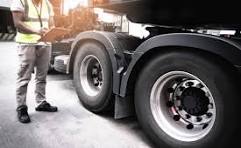
Truck tyres are the foundation of every commercial vehicle on the road. They support extreme loads, handle long-distance travel, and endure harsh road conditions day after day. Yet, they are often one of the most overlooked components in maintenance routines. Proper attention to truck tyres is not only essential for road safety but also plays a major role in fuel efficiency, vehicle performance, and long-term fleet costs.
Tyres and Safety: Why Maintenance Cannot Be Ignored
Safety is the number one reason truck tyre maintenance is critical. A worn or damaged tyre can fail suddenly, causing blowouts, loss of vehicle control, and major accidents—especially on highways. Heavy-duty trucks carry far more weight than regular vehicles, meaning the stress placed on the tyres is significantly higher. Even small issues can escalate rapidly under heavy loads.Routine checks help spot:
- Sidewall cracks
- Bulges or distortions
- Deep cuts
- Loose stones stuck in tread
- Tread separation
- Exposed steel belts
Catching these issues early prevents roadside breakdowns and creates a safer driving environment for both drivers and other road users.
Tyre Pressure: The Most Important Part of Tyre Care
Maintaining correct tyre pressure is the single most important factor in extending tyre lifespan. Properly inflated tyres distribute load evenly, reduce stress on internal components and improve overall tyre performance.
Underinflation
Underinflated tyres generate excess heat due to increased friction. This can lead to:
- Blowouts
- Rapid sidewall wear
- Higher fuel consumption
- Poor braking performance
Underinflation is responsible for more than 80% of tyre failures in heavy-duty trucks.
Overinflation
Overinflated tyres reduce the contact patch with the road, which leads to:
- Less traction
- Faster centre tread wear
- A harsher ride
- Reduced control
Checking tyre pressure before long trips and at least once a week is essential. Digital gauges and automated tyre pressure monitoring systems (TPMS) help keep readings accurate and consistent.
The Role of Tyre Rotation and Balancing
Truck tyres wear differently depending on their position on the vehicle. Steering tyres, drive tyres, and trailer tyres each experience unique stress levels and wear patterns.
Rotation
Rotating truck tyres every 10,000–15,000 km ensures:
- Even tread wear
- Longer tyre lifespan
- Improved fuel efficiency
- Better handling
This simple service can extend tyre life by up to 30%.
Balancing
Unbalanced tyres cause vibration that eventually damages:
- Suspension components
- Wheel bearings
- Steering systems
Balanced tyres reduce vibration, improve driving comfort, and protect vehicle components from unnecessary stress.
Wheel Alignment: A Hidden Cost Saver
Misaligned wheels force tyres to scrub against the road surface. One tyre may carry more load than another, causing uneven wear. Over time, even a small misalignment can destroy a tyre.Proper alignment:
- Improves steering performance
- Reduces driver fatigue
- Prevents irregular wear patterns
- Enhances fuel economy
Alignment should be checked every 20,000–30,000 km or when any unusual wear appears.
Routine Tyre Inspections: A Simple Habit That Saves Money
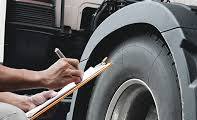
A quick visual inspection can prevent major failures. Truck drivers and fleet operators should inspect tyres:
- At the start and end of each day
- Before long-distance trips
- After travelling on rough or gravel roads
During inspections, look for:
- Nails, screws or punctures
- Uneven tread wear
- Worn shoulders
- Sidewall bubbles
- Slow leaks
- Debris lodged in tread
Identifying such issues early helps avoid roadside emergencies and costly replacements.
How Tyre Maintenance Impacts Fuel Efficiency
Fuel is one of the largest expenses in transport operations. Poor tyre maintenance can significantly increase fuel consumption. Incorrect pressure, misalignment, and uneven tread all contribute to higher rolling resistance, forcing the engine to burn more fuel.Proper maintenance can improve fuel efficiency by 5–10%, resulting in massive savings for long-distance and fleet operations.
Maintenance Equals Savings
The cost of regular tyre care is small compared to the expenses caused by:
- Roadside breakdowns
- Emergency services
- Replacement tyres
- Lost delivery time
- Vehicle downtime
For fleet owners, consistent tyre maintenance results in:
- Longer tyre life
- Lower operating costs
- Better road safety
- Improved performance
- Reduced risk of unexpected failures
Conclusion
Regular truck tyre maintenance is one of the smartest investments a transport operator can make. It protects drivers, reduces fuel costs, enhances vehicle performance, and prevents expensive breakdowns. A well-maintained tyre not only lasts longer but helps keep your business running smoothly and safely. Whether managing a single truck or a large fleet, proper tyre care should always be a top priority.