Why Wheel Alignment Matters for Heavy-Duty Trucks
What Exactly Is Wheel Alignment?
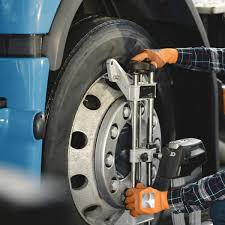
Wheel alignment is the process of adjusting the angles of the wheels so they remain parallel to each other and perpendicular to the road. In other words, alignment ensures that all tyres move in the same direction and sit properly on the road surface.During alignment, technicians adjust key angles:
- Toe: Direction tyres point inward or outward
- Camber: Tilt of the tyre inward or outward
- Caster: Tilt of the steering pivot
- Thrust Angle: Direction the rear axle pushes the vehicle
When these angles are incorrect — even slightly — the truck no longer travels straight and begins to experience increased tyre wear and steering problems.
Why Heavy-Duty Trucks Need Alignment More Than Other Vehicles
Heavy-duty trucks carry massive loads and travel extremely long distances. This means the smallest misalignment causes much faster and more severe damage.
Factors that cause misalignment include:
- Potholes
- Uneven roads
- Hitting curbs
- Heavy loads
- Sudden braking
- Worn suspension components
- Trailer weight shifts
Because trucks operate under constant pressure and stress, alignment checks must be more frequent and more precise than those done on passenger vehicles.
How Poor Alignment Damages Tyres
Misaligned wheels cause tyres to scrub against the road instead of rolling smoothly. This leads to rapid, uneven wear patterns that shorten tyre life dramatically.
Common alignment-related tyre wear patterns:
- Feathering: Tread edges become sharp or saw-shaped
- Camber wear: Inside or outside edges wear quickly
- Toe wear: Tread ribs wear unevenly
- Cupping: Scalloped dips form in the tread
These patterns signal that the tyres are being dragged, pushed sideways, or forced into incorrect angles. Without proper alignment, even a new, premium tyre can be destroyed long before its expected lifespan.
Alignment and Fuel Efficiency: The Hidden Financial Impact
When wheels are not aligned, the truck works harder to stay straight. This increases rolling resistance — one of the main contributors to fuel waste.Poor alignment can increase fuel consumption by up to 10%, which is a major cost for long-haul operators. With fuel prices constantly rising, this is an expense that fleet owners cannot afford to ignore.A correctly aligned truck:
- Rolls smoothly
- Reduces engine strain
- Improves fuel economy
- Maintains stable driving direction
Over thousands of kilometres, the fuel savings are significant.
Improved Handling and Driver Comfort
Alignment also has a direct effect on how the truck behaves on the road. A misaligned truck may:
- Pull left or right
- Vibrate at high speed
- Feel unstable around corners
- Require constant steering correction
This increases driver fatigue and lowers safety. For long-distance drivers who spend hours behind the wheel, proper alignment makes the vehicle smoother, safer, and more predictable.
Reduced Wear on Other Components
Poor alignment doesn’t only damage tyres — it also puts stress on:
- Steering system
- Suspension
- Wheel bearings
- Ball joints
- Springs
- Bushings
When the wheels aren’t aligned, these components compensate for the imbalance. Over time, this leads to expensive mechanical failures.Keeping alignment correct saves on future repair bills and ensures longer-lasting vehicle parts.
When Should Heavy-Duty Trucks Get Wheel Alignment?
Wheel alignment should be part of every fleet’s routine maintenance plan. Recommended alignment intervals:
- Every 20,000–30,000 km
- After installing new tyres
- After hitting a pothole or curb
- When replacing suspension parts
- When the truck begins pulling to one side
- When irregular tyre wear appears
- After long gravel-road trips
- When the steering feels loose or unstable
Waiting too long results in unnecessary tyre damage and fuel loss.
The Bottom Line: Alignment Is a Cost-Saving Essential
Wheel alignment is not optional — it is a vital service that protects your tyres, improves safety, lowers operational costs, and ensures peak vehicle performance. For heavy-duty trucks, alignment has a larger impact because of the extreme weight, distances, and stress these vehicles endure daily.By scheduling regular alignment checks, fleet operators can:
- Extend tyre lifespan
- Reduce fuel consumption
- Improve driver comfort
- Prevent suspension damage
- Avoid costly roadside breakdowns
Proper alignment keeps your trucks running straight, safe, and efficient — delivering long-term savings and peace of mind.